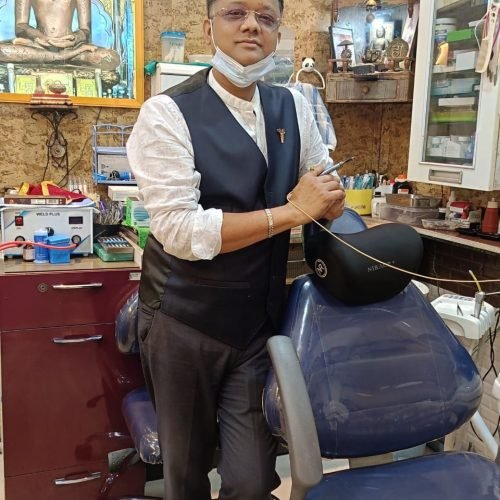

When a dull ache in your tooth suddenly turns into a sharp, throbbing pain, it is more than just a bad day. It could be your tooth’s way of calling for help. Many patients mistake early root canal symptoms in Gwalior for routine sensitivity and seek treatment only when the pain becomes unbearable.
A root canal is not something anyone looks forward to, but recognising the warning signs early can mean the difference between saving your natural tooth and losing it forever. Modern dentistry has made the procedure virtually painless, yet most people wait until the infection has spread deep into the pulp before consulting their dentist.
“Your teeth whisper before they scream. The key is learning to listen.”
-Dr Amit Kumar Jain
In this guide, you will discover how to identify root canal symptoms in Gwalior, when to seek a tooth pain diagnosis in Gwalior, and how timely treatment can save both your smile and your peace of mind.
Why Ignoring Sensitive Teeth in Gwalior Could Sneak Up on You
That slight twinge when you sip your morning chai or bite into an ice-cold dessert might seem harmless, but sensitive teeth in Gwalior often signal the beginning of something deeper. Tooth sensitivity occurs when the enamel protecting your teeth becomes thin or when the underlying dentin is exposed, making your nerves more vulnerable. What many Gwalior residents overlook is that prolonged sensitivity can be the first sign of an infection quietly building within the tooth. Ignoring these root canal symptoms in Gwalior might not just cost you money, but even something bigger than that.
According to a global dental health study, nearly one in every eight adults experiences dental sensitivity at some point in life, and untreated sensitivity can progress into pulp inflammation or infection over time. Once bacteria reach the pulp, the infection spreads rapidly, leading to constant pain and swelling that might require a root canal. Early diagnosis by an experienced dentist can prevent the issue from worsening and save you from unnecessary discomfort.
If your teeth have been sensitive for weeks, it is not something to brush off. It could be one of the earliest root canal symptoms in Gwalior that deserves immediate attention before it turns into a serious tooth infection.
Top 6 Warning Signs of Root Canal Symptoms Gwalior Dentists Want You to Spot
Most people assume a root canal diagnosis in Gwalior becomes necessary only when the pain becomes unbearable. However, Gwalior dentists like Dr Amit Kumar Jain emphasise that several subtle warning signs often appear long before that. Identifying these early root canal symptoms in Gwalior can help you act before the damage becomes irreversible.
1. Lingering pain after hot or cold stimuli
If a sip of coffee or cold water triggers pain that lingers for several seconds or minutes, it might mean your tooth pulp is inflamed. This type of pain goes beyond ordinary sensitivity and is often an early indication that the nerve inside the tooth is compromised.
2. Spontaneous throbbing or unexplained ache
A persistent ache, especially when you are not eating or drinking, could be a sign of pulp infection. Many patients who come for tooth pain diagnosis in Gwalior report that the pain comes and goes randomly. This usually signals bacteria inside the pulp chamber that need immediate attention.
3. Swelling or pimple-like bump near the gumline
A small bump or swelling near the affected tooth often points to an abscess: a pocket of pus caused by infection. Left untreated, the infection can spread to nearby tissues and cause severe complications.
4. Tooth discolouration or darkening
If your tooth starts turning grey or dark yellow, it could mean that the internal tissues have died due to infection. While whitening treatments can mask surface stains, this discolouration comes from inside the tooth and requires professional treatment to save it.
5. Pain while chewing or biting
Experiencing pain when biting into your favourite snacks might seem minor, but this symptom often means that the infection has reached the root. The tooth becomes pressure-sensitive because inflammation is pressing on surrounding ligaments.
6. Visible deep decay or cracked tooth
A cavity or crack that exposes the inner layers of your tooth acts as an open door for bacteria. Without prompt treatment, it quickly leads to infection and pulp damage, making a root canal diagnosis in Gwalior the only option.
Studies show that root canal treatments have a success rate of 85–97% when performed early. Ignoring these warning signs can make the infection spread, reduce treatment success, and sometimes even lead to tooth loss.
Tooth Pain Diagnosis in Gwalior: How a Dentist Decides It’s Time for a Root Canal
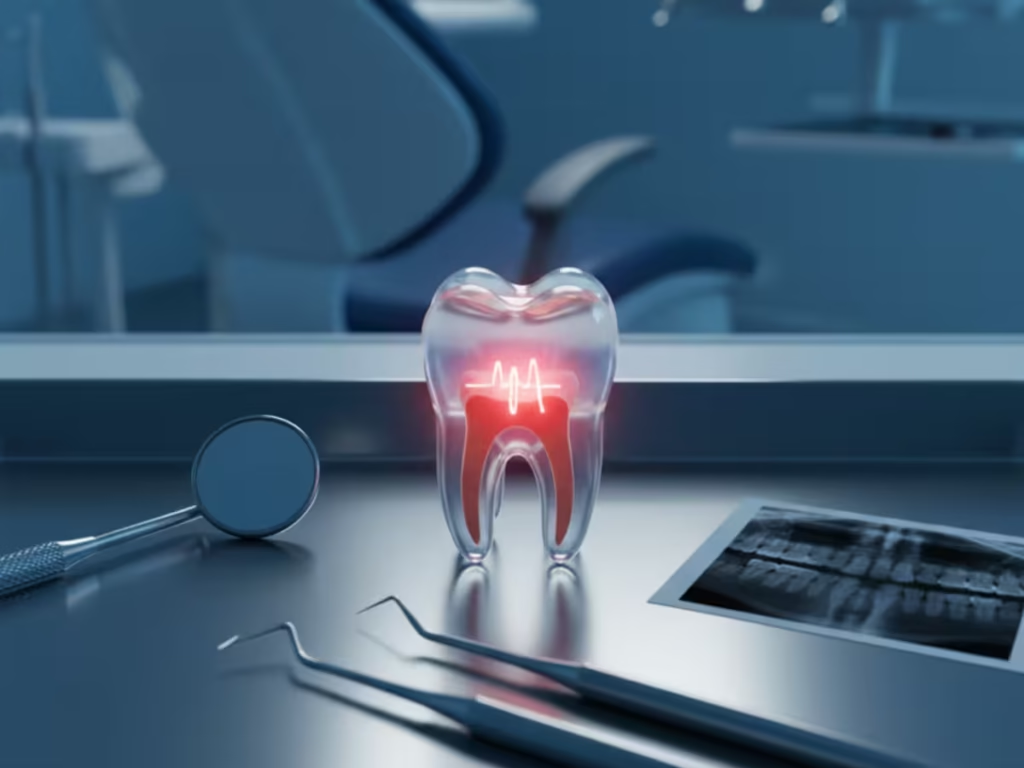
Tooth pain can have many causes, but pinpointing the exact one is the key to saving your tooth. That is why tooth pain diagnosis in Gwalior plays a critical role in determining whether a root canal diagnosis in Gwalior is truly necessary. At the clinic, the diagnosis begins with a detailed discussion about your symptoms: when the pain occurs, how long it lasts, and what triggers it.
After the initial consultation, diagnostic tests are conducted to assess the health of your tooth pulp. These may include:
- Thermal and percussion tests to check how your tooth reacts to temperature and pressure.
- Digital X-rays to reveal deep decay or infections near the tooth roots.
- Pulp vitality testing, which helps determine if the nerve tissue inside your tooth is alive or dead.
If the results show inflammation or infection within the pulp, a root canal diagnosis in gwalior becomes necessary to remove the infected tissue and preserve your natural tooth. Waiting too long may allow the tooth infection in Gwalior to spread to nearby teeth or bone, causing more extensive damage.
“A proper diagnosis saves not just your tooth but also prevents complications that could affect your entire jaw.”
-Dr. Amit Kumar Jain
Identifying these root canal symptoms in Gwalior early through professional diagnosis ensures a smoother, less painful, and more successful treatment outcome.
When a Root Canal Really Is the Smart Move (and When It Might Not Be)
Getting a root canal diagnosis in Gwalior can sound intimidating, but in most cases, it is the smartest and most conservative solution to save your natural tooth. Understanding the root canal necessity in Gwalior is crucial before making a decision.
A root canal is recommended when the pulp, the soft tissue inside your tooth containing nerves and blood vessels, becomes infected or irreversibly inflamed. If untreated, the infection can spread beyond the tooth root and form an abscess, leading to jaw pain, swelling, and bone damage.
According to a clinical review by the National Library of Medicine, root-treated teeth can last for an average of 11 years, with proper restoration and care ensuring even longer lifespan. This proves that timely root canal therapy offers long-term protection and functional stability.
However, there are situations where a root canal might not be advisable. If the tooth’s structure is severely fractured, the bone support is compromised, or the decay has destroyed most of the crown, extraction may be a more practical choice.
“Saving the natural tooth is always our first priority, but every case is unique. The right diagnosis guides the right decision.”
-Dr Amit Kumar Jain
Recognising when a root canal is necessary and when it is not, ensures that patients in Gwalior receive the most effective and personalised dental care possible.
What to Do Next: Your Step-by-Step Plan If You Recognise These Symptoms
Realising you may have early root canal symptoms in Gwalior can be unsettling, but taking the right steps quickly can make all the difference. Acting early not only saves your natural tooth but also prevents pain and complications that often come with delay. Here is what you should do next:
1. Do not ignore persistent tooth pain.
Any recurring ache, sensitivity, or swelling could be a red flag. Instead of waiting for the pain to fade, schedule a professional consultation for a tooth pain diagnosis in Gwalior as soon as possible.
2. Visit a trusted dental clinic.
Choose an experienced dentist who can accurately determine whether your condition requires a root canal or other treatment. At Dr Amit Kumar Jain’s Dental Care Centre, patients receive detailed examinations supported by digital imaging for precision and comfort.
3. Ask the right questions.
Understanding your diagnosis helps you make informed decisions. Ask about the extent of infection, treatment options, and recovery expectations.
4. Follow through with the recommended treatment.
If a root canal necessity in Gwalior is confirmed, do not delay the procedure. Early intervention means faster healing and lower risk of complications.
“Addressing dental pain early is not just about comfort, it is about preserving your smile for years to come.”
-Dr Amit Kumar Jain
Taking timely action today by recognizing these root canal symptoms in Gwalior early ensures that tomorrow’s smile remains pain-free and confident. Regular visits play a key role in preventing serious dental problems. Learn more about the importance of dental checkups and how they can help detect issues like root canal infections before they worsen.
Final Thoughts: Your Smile Deserves Care Before It Hurts
If you have been experiencing any of these root canal symptoms in Gwalior, now is the time to act before the pain worsens. Ignoring early signs can turn a simple treatment into a complex one, but the good news is that modern dentistry has made root canals comfortable, precise, and remarkably effective.
At Dr Amit Kumar Jain’s Dental Care Centre, every patient is treated with compassion and advanced technology that ensures minimal discomfort and maximum success. From tooth pain diagnosis in Gwalior to complete endodontic care, your comfort and dental health are always the top priority.
Do not let fear or hesitation cost you your natural tooth. Take the first step toward relief and restoration today.
Medical Disclaimer: This blog is intended for general informational purposes only. It should not be used as a substitute for professional dental advice, diagnosis, or treatment. Every patient’s condition is unique, and only a qualified dental professional can determine the best course of action for you. If you are experiencing any signs of tooth pain or infection, please consult Dr Amit Kumar Jain or your nearest dentist in Gwalior for a personalised evaluation.